
Lighting for Food Photography: Unlock Best Lighting for
Master lighting for food photography in your restaurant. Get practical tips for smartphones & simple gear to make dishes irresistible for delivery apps.

In this guide
- Table of Contents
- The Five-Minute Photo That Costs You Sales
- What bad lighting usually looks like
- What actually works in a busy restaurant
- Find Your Best Light Before You Shoot
- Do a quick light check
- The low-cost kit that earns its keep
- If you don’t have useful window light
- Mastering Single-Light Setups
- Side light for texture
- Backlight for glow
- Which one to choose fast
- Shape Light to Make Your Food Pop
- Use a diffuser when the light is ugly
- Use a reflector to rescue the front of the dish
- Use a flag when the photo feels flat
- Fixing Common Photo Problems in Seconds
- Your phone settings matter more than people think
- Quick Fixes for Common Food Photo Issues
- A fast pre-shot routine
- Scale Your Signature Look with AI
You’ve got a dish in the pass, a ticket printer won’t stop, and someone says, “We need a photo for Uber Eats.” So a cook or manager holds up a phone under kitchen fluorescents, taps once, and gets a flat, greasy-looking picture that makes good food look tired.
That’s normal. It’s also expensive.
Most restaurant photos on delivery platforms aren’t made in studios. Data shows that 80% of delivery visuals originate from smartphones, usually under inconsistent restaurant lighting, and AI-driven enhancements that reproduce authentic restaurant lighting can boost sales by up to 30% according to FoodShot’s write-up on delivery photo lighting. The problem isn’t that owners don’t care. It’s that most advice about lighting for food photography assumes you have time, space, and gear you probably don’t have.
This guide is for practical situations. A prep table near a window. A phone. A white board from a craft store. Ten minutes before service. If you want photos that look clean, believable, and appetizing without turning your restaurant into a studio, start with light.
Table of Contents
- The Five-Minute Photo That Costs You Sales
- Find Your Best Light Before You Shoot
- Mastering Single-Light Setups
- Shape Light to Make Your Food Pop
- Fixing Common Photo Problems in Seconds
- Scale Your Signature Look with AI
The Five-Minute Photo That Costs You Sales
A rushed food photo usually fails in the same way. The plate goes under ceiling lights. The whites turn yellow or green. Steam disappears. Crisp edges look soft. Sauces blow out into glare. The front of the dish goes dark while the rim catches all the light.
Customers don’t describe that as “bad lighting.” They just think the food looks less fresh, less careful, or less worth ordering.
That’s why lighting for food photography matters more than camera specs. A newer phone helps, but good light does the heavy lifting. It gives shape to a burger, brings back texture in fried food, and keeps a salad from looking limp. Bad light does the opposite. It flattens everything.
Practical rule: If the light is wrong, editing won’t fully save the shot. If the light is decent, a phone can produce a usable delivery photo fast.
Restaurant owners are usually solving three problems at once. They need the food to look honest, they need the shot to be quick, and they need results that work across delivery apps, menus, and business listings. That’s why consistency matters. The same dish shouldn’t look warm and inviting on one platform, then cold and gray somewhere else. If you’re also updating listing assets, this guide on Google Business cover photo size for restaurants helps keep your visuals aligned.
What bad lighting usually looks like
- Overhead glare: Ceiling lights hit glossy food from the worst angle and create bright hot spots.
- Murky shadows: The front of the plate goes dark because the light only reaches the top.
- Mixed color mess: Window light and warm bulbs together confuse your phone and shift food color.
- No depth: Everything looks like it was pasted onto the plate.
What actually works in a busy restaurant
You don’t need a full set of strobes. You need one reliable light direction and one simple way to control shadow. That can be a window and a white foam board. It can also be a single LED with a soft front and a reflector.
The fastest upgrade isn’t fancy. It’s deciding that you’ll stop shooting wherever the dish lands and start shooting where the light looks good.
Find Your Best Light Before You Shoot
Before you buy anything, walk your restaurant and look for the one spot where food already looks better. Most owners skip this and blame the phone. The phone usually isn’t the problem. The location is.

A usable photo station is often a two-top near a window, the quiet end of the bar, or even a cleared prep table away from greenish overhead bulbs. You’re not looking for dramatic sunlight. You’re looking for soft, directional light that comes mostly from one side.
Do a quick light check
Stand in a few places with an empty plate and your phone. Turn the plate slowly. Watch when the food-facing side looks clean and when it dies into shadow.
Use this checklist:
- Choose one main direction of light: A window on the left or right side is easier to manage than light coming from everywhere.
- Kill ugly overheads if you can: If you can’t turn them off, move farther from them so they matter less.
- Check the background: A bright stainless surface behind the dish can bounce ugly reflections back into the shot.
- Shoot at the same time of day when possible: Consistency beats chasing perfect light.
A good photo station doesn’t need to be pretty. It needs repeatable light and just enough space to plate, shoot, and move on.
The low-cost kit that earns its keep
For lighting for food photography in a restaurant, the best starter kit is small enough to live in a drawer.
- Your smartphone: Clean the lens first. Half the softness people blame on focus is just grease on the camera glass.
- White foam board: Use it as a reflector to lift dark shadows on the front of the plate.
- Baking parchment paper: Tape it in front of harsh light or a lamp to soften it.
- A chair or menu stand: This becomes your prop for holding reflector or diffuser material.
- A plain tray or tabletop: Keep surfaces simple so the dish stays dominant.
If you don’t have useful window light
Some restaurants don’t have it. Basement kitchens, deep dining rooms, and night service are real constraints.
In that case, use a single constant LED or a lamp you can position. Keep it off to one side instead of blasting the food from the front. A movable light is better than a fixed ceiling source because you can decide where the shadows fall. That control is what makes food look dimensional instead of dead.
The mistake is trying to light the whole table. Light the dish. Let the rest fall where it may.
Mastering Single-Light Setups
Once you’ve found one decent spot, don’t complicate it. Most restaurant owners get better results from one controlled light than from several random ones. In practice, two setups do almost everything you need. Side light for texture and structure. Backlight for glow and shine.

If you want more restaurant-specific shooting ideas beyond this article, BeauPlat’s food photography resources for restaurant teams are a useful next read.
Side light for texture
For most dishes, start here. In professional food photography, side lighting is the go-to method for enhancing texture. The core placement is simple: put a single light source at a 45-degree angle to the food and about 30 to 45 degrees above it to mimic window light. Paired with a reflector, that setup boosts perceived freshness in 92% of viewer tests according to Lume Cube’s food photography lighting guide.
That sounds technical, but in a restaurant it usually means this: place the plate on a table, keep the window or LED off to the left or right, and slightly higher than the dish. Then hold a white board on the opposite side to bounce some light back.
This works especially well for:
- Burgers and sandwiches: Side light shows layers and edge detail.
- Pasta and grain bowls: Texture reads better when the light grazes across the surface.
- Grilled meats and roasted vegetables: Browning and char need shadow to look real.
A few practical notes matter:
- Move the light closer if the image feels flat and you want stronger shape.
- Move it farther away if the shadows feel too heavy.
- Raise the angle for overhead shots so shadows don’t spread across the whole plate.
- Lower it slightly for straight-on or low-angle hero shots when you want more depth.
If your dish has crunch, char, crumbs, herbs, or layers, side light usually wins.
Backlight for glow
Backlight is different. The main light sits behind the dish, usually higher than the plate and angled down. It’s the setup that makes soups shimmer, sauces glow, and drinks or oily toppings catch highlights.
Backlighting is highly effective for creating an “appetizing glow” on shiny or wet foods and has been shown to increase social media engagement by up to 35%, according to Pretty Focused’s backlighting guide for food photography. The catch is simple. Without a reflector in front, the food turns into a silhouette.
Use backlight for dishes like:
- Pizza with melted cheese
- Ramen, curry, or noodle bowls
- Desserts with glaze
- Cocktails and iced drinks
- Anything glossy, sauced, or oily
Here’s the trade-off.
| Setup | Best for | Common failure | Quick save |
|---|---|---|---|
| Side light | Texture, structure, savory mains | Front of dish too dark | Add white reflector opposite the light |
| Backlight | Shine, steam, sauces, drinks | Food becomes a silhouette | Put reflector in front of the dish |
Which one to choose fast
If you only have a minute to decide, use this rule:
- Choose side light when the selling point is texture.
- Choose backlight when the selling point is gloss, moisture, or atmosphere.
Don’t use front-facing light from behind your phone unless you want the fastest route to a flat image.
Shape Light to Make Your Food Pop
Placement gets you a decent photo. Shaping the light gets you a photo people want to order from. In this context, simple tools beat expensive gear.

A lot of restaurant owners think lighting control means buying studio modifiers. Usually it means using what’s already in the room. A white menu can bounce light. A black tray can block it. Baking parchment can soften it. The point is to stop accepting the light exactly as you found it.
Use a diffuser when the light is ugly
If the light is harsh, your food will show it. Highlights turn brittle. Shadows get hard edges. Sauces look greasy instead of rich.
A diffuser softens the source before it hits the plate. In a restaurant, that can be a sheet of baking parchment between a lamp and the dish, or a sheer curtain across a window. Keep it clear of heat and open flame. You’re trying to turn a hard source into a broader, softer one.
Use a diffuser when:
- Sunlight is streaking across the table
- A lamp creates a sharp hotspot on glossy food
- Fried items look harsh instead of crisp
Use a reflector to rescue the front of the dish
This is the cheapest fix in food photography. Put a white surface opposite your main light and bounce light back into the shadow side. A clean white menu, foam board, or even a pale takeaway box can do the job.
This matters even more if you’re using backlight. The known trick there is simple: keep a large reflector in front so the dish doesn’t fall into silhouette. That’s a big reason the setup works well for shiny food.
The reflector doesn’t need to be fancy. It just needs to be bigger than people think and closer than people think.
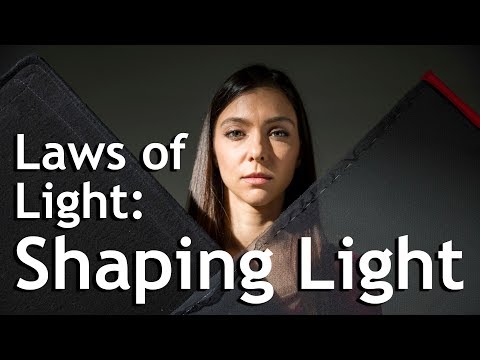
Here’s a quick visual demo worth watching before service if your team is new to this:
 Watch on YouTube
Use a flag when the photo feels flat
A flag blocks light. That sounds backward until you try it.
When food looks washed out, it often needs more shadow on one side, not more brightness everywhere. Use a black menu, dark tray, or small baking sheet just outside the frame to cut spill light. This adds shape and mood, especially for steak, dark cocktails, and richer evening dishes.
Try these real-world swaps:
- White menu as reflector: Brightens the front of a burger or pasta bowl.
- Black drinks menu as flag: Adds contrast to steak or grilled fish.
- Parchment as diffuser: Softens a harsh lamp on plated desserts.
Good lighting for food photography isn’t about blasting more light onto the dish. It’s about deciding where the light should land, where it should soften, and where it should stop.
Fixing Common Photo Problems in Seconds
Most bad food photos don’t need a reshoot from scratch. They need one correction. Wrong color. Wrong focus. Wrong angle. Once you know what to fix first, your hit rate goes up fast.
Your phone settings matter more than people think
Start with focus and exposure. Tap the part of the dish you want sharpest, usually the front edge of the hero ingredient. Then lock focus and exposure if your phone allows it. On many phones, that’s the AE/AF lock feature. If you don’t lock it, the camera may shift as steam moves or a hand enters frame.
Color is the next problem. Restaurant lighting often mixes warm bulbs, daylight, and kitchen spill. That’s why white plates turn yellow or blue. Use your phone’s white balance control if it’s available in the native camera or a camera app you trust. If not, move away from mixed light rather than trying to edit your way out later.
Angle matters too. A 45-degree angle works well for burgers, stacked plates, drinks, and dishes with height. A top-down shot works better for pizzas, spreads, salads, and bowls where shape matters more than height.
Don’t fire off ten shots from the same bad angle. Move the plate, move yourself, then shoot.
Quick Fixes for Common Food Photo Issues
| Problem | Quick Fix |
|---|---|
| Food looks too yellow or too blue | Change position to avoid mixed light, then correct white balance in your phone or camera app |
| Front of the dish is too dark | Add a white reflector opposite the light source |
| Saucy food has ugly glare | Rotate the plate slightly or change your camera angle so the reflection doesn’t bounce into the lens |
| The image looks flat | Move the main light farther to the side or use a dark menu as a flag |
| The food isn’t sharp | Clean the lens, tap to focus on the hero ingredient, then lock focus if possible |
| Overhead shot looks muddy | Raise the light angle and simplify the background |
| Burger or sandwich looks squat | Shoot from a lower 45-degree angle instead of top-down |
| Background is brighter than the dish | Reframe so the dish gets the best light, not the wall or window behind it |
A fast pre-shot routine
Use this before you take the final image:
- Wipe the lens: It takes seconds and solves a surprising amount.
- Kill distractions: Crumbs, sauce smears, torn tickets, and random utensils pull attention away from the food.
- Check edges of frame: Delivery photos often fail because of clutter, not because of the dish.
- Take three versions: One slightly brighter, one neutral, one slightly darker. Choose later.
Owners often think lighting for food photography is mostly gear. It isn’t. The fastest gains usually come from noticing the problem before you press the shutter.
Scale Your Signature Look with AI
Manual technique works. The issue is repetition.
A single owner or manager can build a decent setup, learn side light, use a reflector, and improve photos fast. Then reality returns. New menu items arrive. Staff changes. Service gets slammed. One location gets window light, another doesn’t. Consistency slips.
That’s where a restaurant should think in terms of a signature look. Not a fake look. A repeatable one. Maybe your brand feels warm and natural. Maybe it’s darker and moodier. Maybe it’s clean and bright for delivery platforms. Whatever it is, the challenge isn’t creating it once. The challenge is applying it every time without rebuilding the setup from scratch.

A practical workflow is to use the methods above to create one strong reference image, then standardize from there. That’s especially useful for restaurants juggling delivery menus, social posts, menu boards, and listing photos. If you want a solid primer before choosing a repeatable workflow, this guide on how to take better food photos for restaurants covers the basics well.
The key business point is simple. DIY is good for learning. Systems are better for scale. If your brand depends on food looking consistent across platforms, your process has to survive a busy Friday night.
If you want restaurant photos to look consistent without rebuilding a lighting setup every day, BeauPlat gives you a practical shortcut. You can snap or upload a smartphone photo, apply a polished restaurant-ready style, and keep your lighting, color, and ambiance consistent across delivery apps, menus, websites, and social. It’s a fast way to turn one strong visual standard into an everyday workflow.
Drafted with the Outrank app
Take action
More desirable visuals, without repeat photo shoots
BeauPlat helps restaurants keep a visually consistent menu, publish faster, and convert better on delivery platforms and their own site.
More in this category

10 Best Apps for Restaurant Owners in 2026
Discover the best apps for restaurant owners in 2026. A deep dive into POS, labor, inventory, marketing, and photo tools to boost profit and efficiency.
 Jean de BeauPlatMay 17
10 Best Marketing Strategies for Restaurants in 2026
Discover the 10 best marketing strategies for restaurants in 2026. Boost orders with high-quality photography, local SEO, social media, and more.
Jean de BeauPlatMay 16
AI Food Image Generator: A Restaurant Guide for 2026
Learn how an AI food image generator can boost your restaurant's sales. This guide covers use cases, best practices, ROI, and legal risks for food businesses.
Jean de BeauPlatMay 15
10 Low Cost Marketing Ideas for Restaurants in 2026
Boost sales with these 10 low cost marketing ideas for restaurants. Get actionable tips on social media, local SEO, and partnerships to grow your business.
Jean de BeauPlatMay 14
Best Food Delivery App for Restaurants: 2026 Guide
Discover the best food delivery app for restaurants in 2026. Compare top platforms to boost your orders, manage logistics, and increase your profit margins.
Jean de BeauPlatMay 13
8 Restaurant Food Photography Tips to Boost Sales
Master your menu visuals with our top restaurant food photography tips. Learn lighting, styling, and platform optimization to boost delivery app sales.
Jean de BeauPlatMay 12